Pay in 4 interest-free payments of $7.47 Learn more
Shipping Estimate
USA
- USA
- CAN
- USA
- CAN
Ships within 48 hours · Estimated delivery Aug 3 - Aug 8
Pay in 4 interest-free payments of $7.47 Learn more
Ships within 48 hours · Estimated delivery Aug 3 - Aug 8
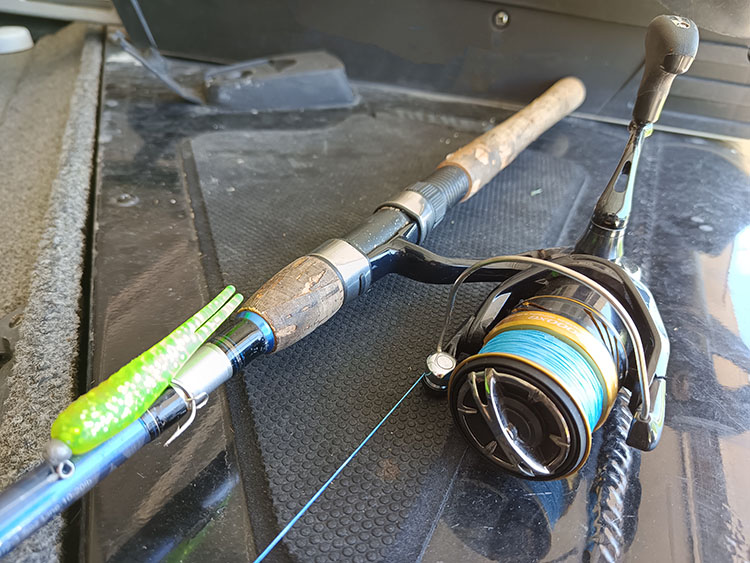
Fish Hook Removal in the Emergency Department Techniques 1) Pull Through Technique - Grasp shaft of hook with needle driver - Advance fish hook until the barbed end of hook protrudes through skin - Clamp a hemostat over the barb and cut the belly of the fishhook proximal to the barbed end with a wire cutter - Withdrawal fishhook from skin along its original direction of entry 2) String Yank Technique - Wrap string/suture around belly of fishhook at site it enters skin - Firmly depress the shaft of hook against skin and firmly pull the string/suture in opposite direction 3) Cut it Out - only if other methods fail - make incision with scalpel along the shaft of the hook to the barb Additional Notes: - Globe perforation or laceration requires emergent consult with ophthalmologist - Prior to procedure remember to clean and anesthetize area - Always wear eye protection when attempting removal - Do not forget about tetanus prophylaxis - Antibiotic prophylaxis remains controversial
Gill nets are ideal for sampling adult and sub-adult fish that are otherwise difficult to assess, because some species and age classes are more likely to avoid or escape other sampling gears used in TPWDs Resource Monitoring Program

Some will get off, especially because we only use barbless hooks (these cause way less stress when unhooking and releasing fish, and are required in Quetico)

Effective alternatives include: Spinnerbait * Water is moved quickly by a large, flashy profile

US$ 26.89
US$ 28.39
US$ 26.71
US$ 22.37
US$ 26.83
US$ 28.19
US$ 29.43
US$ 20.92
US$ 21.46
US$ 27.12
US$ 27.40
US$ 20.69
US$ 22.94
US$ 21.22
US$ 23.71
US$ 26.06